A pristine, floor-to-ceiling glass wall reflects a perfect morning sky, making a home look like a high-end architectural masterpiece. Yet, for a migratory songbird, this beauty is a lethal illusion.
Every year, nearly one billion birds in the United States alone perish after collisions with glass surfaces that mirror the trees and horizon. Residential windows account for roughly half of these tragic events.
These solutions range from inexpensive and easy to install to more comprehensive approaches that offer lasting, reliable protection for the birds in your yard.
High-Performance External Insect Screens
High-performance external insect screens are a homeowner’s most practical defense. Unlike internal screens, mounting them on the outside breaks up reflections of the sky and foliage.
If a bird miscalculates its path, the mesh provides a springy, impact-absorbing cushion, functioning much like a trampoline rather than a solid wall. For total protection, these screens should cover the entire exterior surface of the window.
Even if you live in a region where bugs aren’t a year-round issue, keeping screens installed during migration seasons is a critical maintenance step that saves lives.
Modern black or dark grey mesh blends seamlessly into your home’s exterior while providing the texture birds need to recognize a barrier.
Acopian BirdSavers (Zen Curtains)
Acopian BirdSavers, affectionately known as “Zen Curtains,” offer an elegant, minimalist look. These consist of high-quality paracords hanging vertically on the outside of the glass.
They are exceptionally effective because the subtle movement of the cords in the wind provides a dynamic signal that birds easily detect.
For maximum efficacy, these cords are spaced 4 inches apart, which is wider than many other solutions but still highly visible to most species.
From the interior, the cords look like a sophisticated architectural detail and do not obstruct the view or make window cleaning difficult.
You can easily create a DIY version with basic paracord or order custom-made sets to fit specific window dimensions.
This solution is the primary method used by leading ornithology labs to safeguard their own glass-heavy buildings.
Feather Friendly Adhesive Dot Patterns

For a high-end aesthetic that remains nearly invisible to humans, adhesive dot patterns are a premier choice.
These small, symmetrical markers are applied to the exterior of the glass to break up its transparency and reflectivity.
To be effective against the smallest birds like hummingbirds, a 2 /2 inch grid is recommended, though a 2/4 inch pattern is also common.
These dots allow you to maintain a clear view while providing enough visual contrast for birds to realize the space is not passable.
The product is durable and designed to last through harsh weather conditions for several years. It is a favorite for modern luxury homes where traditional screens might feel too obtrusive but bird safety remains a priority.
Creative DIY Tempera Paint and Soap Designs
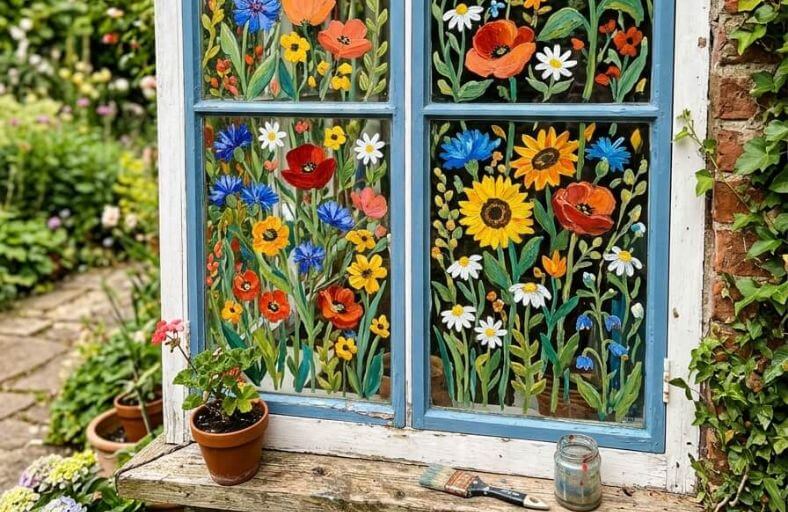
If you prefer a more personal or artistic touch, tempera paint is an inexpensive and highly effective option.
This non-toxic paint can be used to create beautiful murals, seasonal designs, or a simple geometric grid on the outside of your windows.
The key to safety is ensuring that no unpainted gaps are larger than 2/2 inches. While tempera paint is long-lasting and can withstand rain, it is easily removed with a damp cloth or vinegar and water when you want a change.
For a very quick, temporary solution, you can even use a bar of soap to draw lines or patterns on the exterior glass. This is a fantastic weekend project that engages the family while serving a vital conservation purpose.
Ultraviolet (UV) Reflective Decals and Markers
Utilizing the unique biological traits of birds is a sophisticated way to handle window strikes. Many bird species can see light in the ultraviolet spectrum, which remains invisible to the human eye.
UV-reflective decals and markers are designed to “glow” brilliantly for birds while appearing as subtle, translucent shapes to homeowners.
To make these effective, you must apply them across the entire window surface following the 2/2 rule to ensure no “fly-through” gaps remain.
Keep in mind that UV coatings typically degrade over time due to sun exposure and require replacement every 6 to 9 months to maintain their life-saving properties.
One-Way Transparent Window Films (CollidEscape)
One-way transparent films, such as CollidEscape, offer a professional-grade solution for high-reflection areas.
These films work on a perforated principle: from the outside, the window appears as a solid, opaque surface to birds, completely eliminating reflections of the sky and trees.
From the inside, however, thousands of tiny holes allow residents to maintain a clear, tinted view of the outdoors.
Beyond protecting birds, these films can reduce interior heat gain and cooling costs, making them an energy-efficient lifestyle upgrade.
Translucent ABC BirdTape Applications
Translucent tape offers a balance between DIY ease and professional-grade durability.
Specifically designed products like ABC BirdTape allow light to pass through while creating a visible “grid” that alerts birds to the glass barrier.
| Solution Type | Human Visibility | Bird Visibility | Longevity |
| UV Decals | Low (Translucent) | High (Glows) | 6-9 Months |
| One-Way Film | Moderate (Tinted) | Very High (Solid) | Years |
| Translucent Tape | Moderate (Stripes) | High (Opaque) | 1-2 Seasons |
For the best results, vertical stripes should be spaced no more than 4 inches apart, while horizontal stripes require a tighter 2-inch spacing to prevent small birds from attempting to fly between them. The tape is made to withstand outdoor elements for several seasons.
External Architectural Shutters
Architectural shutters offer a dual benefit of enhancing curb appeal and providing a solid physical barrier. Traditional shutters can be closed when rooms are not in use.
Bahama shutters, which hinge at the top and prop outward, are particularly effective because they create a constant shadow over the glass surface even when open. This reduction in sunlight directly reduces the intensity of reflections.
Sunshades and Awnings for Reflection Reduction
Strategic use of sunshades and awnings can transform how light interacts with your home’s windows.
By blocking direct sunlight before it hits the glass, these features minimize the mirror-like reflections that cause birds to mistake windows for the sky. This approach is especially effective for windows located under deep overhangs.
The Interior Blind Adjustment Strategy
Keeping vertical blinds halfway open can break up the “visual path” that birds perceive as a fly-through corridor. This is particularly crucial for windows positioned directly opposite each other.
By closing curtains or adjusting the angle of slats, you disrupt the illusion of a clear corridor.
Professional-Grade Bird Netting Barriers

Professional-grade netting must be installed tautly and positioned at least 2 to 3 inches away from the exterior glass surface. This ensures that birds bounce off safely before ever impacting the hard glass.
Mesh openings should be no larger than 5/8 of an inch to prevent entanglement.
Strategic Feeder and Birdbath Placement
Experts recommend the “3/30 Rule”: place feeders and birdbaths either within 3 feet of the window or more than 30 feet away.
| Feeder Distance | Risk Level | Safety Explanation |
| < 3 feet | Safe | Momentum is too low for fatal impact |
| 10 – 25 feet | High Risk | High speed and high reflection confusion |
| > 30 feet | Safe | Bird can clearly distinguish house from habitat |
When a feeder is within 3 feet, a startled bird cannot build up enough flight speed to sustain a fatal injury if it accidentally hits the glass.
Houseplant Relocation and Interior Decor Shifts
Indoor plants placed right on the windowsill are a common cause of window strikes. A bird sees a lush landing spot and does not understand the glass barrier.
Simply moving your houseplants a few feet back from the window can make the interior of your home look less like an extension of the outdoor garden.
“Lights Out” Nighttime Mitigation
Most songbirds migrate at night and artificial light at night (ALAN) can disorient them.
During migration seasons, homeowners should turn off non-essential exterior lighting or use shielded fixtures. Indoors, closing curtains at night prevents internal light spill.
Advanced Fritted or Etched Glass Retrofits
Fritted glass contains ceramic patterns baked directly into the surface during the manufacturing process.
These are highly visible to birds but remain subtle to humans. Sandblasted or etched glass can also create custom patterns that serve the same purpose.