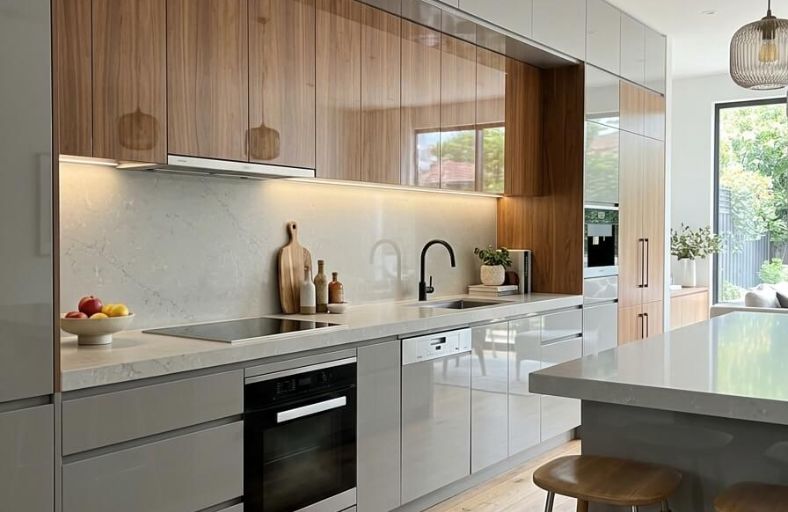
Dark, grease-stained cabinets and a chipped countertop that’s seen better decades aren’t just an eyesore; they’re a daily drain on your culinary inspiration.
Walking into a cramped kitchen with flickering lights and a leaky sink feels like a recurring nightmare that no amount of clever decor can fix.
Starting a renovation is the ultimate reset button for your home’s soul, but the price tag often feels like a moving target.
Navigating the complex costs of materials, specialized labor, and high-tech appliances requires a clear roadmap to ensure your dream space doesn’t turn into a financial black hole.
Clear the Old
Before the new aesthetic can take shape, the old structure must go.
In many American homes, especially those built mid-century, kitchens may feature outdated soffits, heavy plaster walls, or multiple layers of flooring that require professional removal.
Professional demolition is a labor-intensive process that involves much more than just swinging a sledgehammer.
You must factor in the cost of stripping backsplash tiles, removing heavy cabinetry, and safely disconnecting gas, water, and electrical lines (tasks that often require a licensed contractor to ensure code compliance).
A significant, often overlooked cost is the logistics of debris removal. In the U.S., this typically involves renting a roll-off dumpster or hiring a junk removal service.
In dense urban areas with limited street parking, you may also need to budget for city permits to place a dumpster on the curb.
On average, professional kitchen demolition costs between $500 and $2,500, depending on the size of the room and the complexity of the materials.
Waste disposal fees and dumpster rentals generally range from $300 to $800 per load. Planning for these invisible costs prevents your budget from crumbling before the first new cabinet is even installed.
| Item | Price Range (USD) | Notes |
|---|---|---|
| Full Kitchen Demolition | $500 – $2,500+ | Average around $800 for a standard kitchen |
| Dumpster Rental + Disposal | $300 – $800 per load | 10–20 yard container typical for kitchens |
| Additional Permits / Dumpster Fees (urban areas) | $100 – $400+ | Varies significantly by city |
Planning for these invisible costs early is crucial. A thorough demolition sets a clean foundation for the new kitchen and helps prevent unexpected surprises once construction begins.
Cabinetry Materials and Finishes
Cabinetry forms the foundation of your kitchen and typically accounts for 30% to 50% of the total renovation budget (sometimes cited as 20-40% depending on the scope and other high-end finishes chosen).
Most American homeowners choose cabinets built with MDF (Medium-Density Fiberboard) or particleboard cores for painted or laminated finishes, or plywood for higher durability and moisture resistance.
These are widely available and perform well in varied U.S. climates (plywood or moisture-resistant cores are preferred in humid regions like the Southeast or coastal areas).
Pricing is commonly quoted per linear foot (covering both upper and lower cabinets along the wall length).
Costs vary significantly by type: stock/RTA, semi-custom, or fully custom, as well as material and finish.
Surface finishes range from cost-effective melamine or thermofoil (a vinyl-like wrap) to more premium high-pressure laminate, acrylic, or painted surfaces. Solid wood doors or fronts add a luxury feel but increase costs.
Here is an approximate table for cabinet costs per linear foot (installed, mid-2020s U.S. averages; prices can vary by region, especially higher in coastal/high-cost areas):
| Cabinet Type / Material | Price Range (per linear foot, installed) |
|---|---|
| Stock / RTA (Particleboard/MDF + Melamine or basic laminate) | $100 – $300 |
| Semi-Custom (MDF/Plywood + Laminate or Painted) | $150 – $650 |
| MDF/Plywood + Acrylic or Premium Laminate | $200 – $700+ |
| Solid Wood (e.g., Oak, Maple) | $300 – $1,200+ |
Notes on the table: These are broad market ranges drawn from 2026 industry data. Total project costs for a typical 10×10 or average-sized kitchen often fall between $4,000–$15,000+ for cabinets alone, with full custom or luxury options going much higher.
Choosing the right core and construction ensures your kitchen withstands daily use, steam, and heat for decades.
While premium solid woods like walnut, cherry, or maple offer timeless beauty and prestige, they can significantly drive up costs; sometimes exceeding $1,000 per linear foot for fully custom work.
Granite, Marble, or Quartz
The countertop serves as your kitchen’s primary workspace and must withstand daily wear, including heat, spills, knife cuts, and moisture.
Granite remains a classic, rugged natural stone choice that offers excellent durability and unique patterns.
However, for most modern American homeowners, engineered quartz has become the industry gold standard.
It delivers a non-porous, highly hygienic surface with superior stain and scratch resistance while mimicking the luxurious look of marble or granite.
Popular brands include Cambria, Silestone, Caesarstone, and Vicostone (widely available in the US).
While natural stones can be more affordable in the entry-level range, premium quartz or high-end natural stone options provide better long-term performance for busy kitchens.
Marble delivers timeless elegance and a cool, luxurious feel, but it is softer and more porous. It requires regular sealing and is prone to etching from acidic foods like lemon, wine, or vinegar.
Approximate installed costs in the US (mid-2020s national averages per square foot): Prices vary significantly by region (higher in coastal cities), slab thickness (2cm vs 3cm), edge profile, and complexity of the layout.
| Material | Price Range (per sq ft, installed) | Key Characteristics |
|---|---|---|
| Granite (Natural Stone) | $40 – $150+ | Very durable, heat-resistant, unique patterns, needs periodic sealing |
| Engineered Quartz | $50 – $150+ | Non-porous, low maintenance, consistent color, highly stain-resistant |
| Marble (Natural Stone) | $60 – $250+ | Elegant veining, softer, high maintenance, best for low-use areas |
Notes: These ranges are typical installed prices (material + fabrication + installation). Basic options start lower, while exotic colors, premium brands, or complex designs (waterfall islands, mitered edges) can push costs much higher.
Laminate remains the most budget-friendly alternative ($20–$60/sq ft) but lacks the premium feel and longevity of stone.
Investing in a quality countertop ensures your kitchen stays beautiful and functional for years without constant worry about stains, cracks, or heavy maintenance.
Quartz is especially popular for families and busy households due to its durability and ease of care.
Quality Hardware and Mechanisms
Hardware components, such as hinges, drawer slides, and lift systems, greatly influence the day-to-day feel and long-term performance of your kitchen.
Modern kitchens prioritize soft-close mechanisms as a standard feature. These protect cabinetry from slamming, reduce noise, and deliver a smooth, luxurious experience.
Premium brands like Blum and Häfele lead the market. They offer high-quality soft-close hinges, full-extension undermount drawer slides (such as Blum Tandem or MOVENTO), and sophisticated lift systems like Blum AVENTOS for upper cabinets and lift-up doors.
Approximate US pricing (2026 national averages):
| Item | Price Range (USD) | Notes |
|---|---|---|
| Soft-close European Hinges | $8 – $25 per hinge | Blum CLIP-TOP or similar premium models |
| Soft-close Undermount Drawer Slides | $20 – $60+ per pair | Full-extension, soft-close; higher for heavy-duty |
| Blum AVENTOS Lift Systems | $70 – $300+ per mechanism/set | Varies by door size and type (HK, HL, HF) |
| Basic Soft-close Hinges | $4 – $10 each | Entry-level options |
While it may be tempting to cut costs on hardware, poor-quality components are one of the most common reasons kitchens start failing within a few years (sticking drawers, sagging doors, or broken mechanisms).
Smart storage solutions, such as blind corner pull-outs (often called “Magic Corners”), pull-out spice racks, trash/recycling pull-outs, and deep pantry organizers, significantly improve functionality but can increase the overall hardware budget by 15–30%.
Material recommendation: Use high-quality 304-grade stainless steel for any hardware near the sink or wet areas to prevent rust and corrosion. This is especially important in humid climates or coastal regions.
Modern Kitchen Appliances
Modern kitchens have largely shifted from traditional gas to induction cooktops. This change is driven by superior safety (no open flame), faster heating, precise temperature control, and much easier cleaning.
However, induction often requires a dedicated 240V electrical circuit, which can add to the project budget if your home needs upgrades.
Integration is a major trend: dishwashers, refrigerators, and even some ovens are designed to be panel-ready (hidden behind cabinetry panels) for a seamless, built-in look.
Popular premium brands in the US include Bosch, Thermador, Wolf, Sub-Zero, Miele, GE Profile, and Café.
Approximate US pricing (not including installation):
| Appliance Type | Mid-Range (USD) | Luxury / Premium (USD) | Notes |
|---|---|---|---|
| Induction Cooktop (30–36″) | $800 – $2,500 | $3,000 – $8,000+ | 4–5 burners, smart features in luxury tier |
| Built-in Wall Oven (Single/Double) | $1,200 – $3,500 | $5,000 – $12,000+ | Convection, steam, or smart models |
| Dishwasher | $700 – $1,500 | $2,000 – $4,000+ | Quiet operation (Bosch, Miele excel here) |
| Built-in / Panel-Ready Refrigerator | $2,000 – $5,000 | $8,000 – $25,000+ | Column units or Sub-Zero can go much higher |
Notes:
- These are typical purchase prices for the appliance itself. Installation can add $150–$800+ per item, especially for built-ins or gas/electric conversions.
- A full mid-to-high-end appliance package for an average kitchen often falls between $8,000 – $25,000, while true luxury suites easily exceed $45,000–$90,000.
Budgeting for these engines of the kitchen early is essential. Built-in and panel-ready models require precise cabinet dimensions, and electrical or plumbing modifications should be planned during the design phase to avoid costly change orders later.
Geographic Factors
The cost of your kitchen remodel can vary dramatically depending on where you live in the United States.
Major coastal cities and high-cost metro areas typically command a significant premium compared to the national average.
High-cost regions such as New York City, the San Francisco Bay Area, Southern California, Seattle, Boston, and the Washington D.C. metro often see kitchen projects 30–100%+ higher than the national average due to elevated labor rates, permitting complexity, and material demand.
In contrast, smaller cities and rural areas in the Midwest, South, and Mountain regions tend to be closer to or below national averages.
Approximate regional impact (mid-2026 estimates):
- High-cost coastal metros: 30–70%+ above national average
- Mid-size cities: 10–25% above national average
- Smaller cities / Rural areas: Near or 10–20% below national average
Transporting large or fragile items like quartz slabs, custom cabinetry, or glass panels can add to costs in remote or hard-to-access areas.
Delivery surcharges, fuel costs, and the risk of damage during long-distance shipping often increase the material budget by 8–20%.
Climate considerations also play a major role in material selection:
- In humid Southeast (Florida, Gulf Coast, coastal Carolinas) and coastal regions, moisture-resistant plywood cores, marine-grade materials, and mold-resistant finishes are highly recommended to prevent swelling, warping, and mold.
- In cold Northeastern winters or dry Southwestern areas, temperature fluctuations and low humidity can affect wood movement and joint stability.
- Salty coastal air (California, Northeast, Gulf) accelerates corrosion, making 304-grade stainless steel hardware and rust-resistant components essential.
Working with a local contractor who understands your specific regional challenges, from building codes and labor markets to climate-specific material performance, is one of the best ways to avoid costly future repairs.
They can recommend the right balance of durability and cost for your local environment.
Tiling and Ceiling Finishes
The final layer of your kitchen project brings together the vertical and horizontal surfaces that define the overall look and feel of the space.
These finishes are highly visible, so they have a big impact on both aesthetics and perceived value.
A popular choice for a clean, modern appearance is a glass backsplash (often tempered or back-painted glass), which creates a sleek, reflective surface.
However, most American homeowners opt for ceramic or porcelain tile backsplashes because they offer excellent durability, endless design options, and better value.
Porcelain tile is especially favored for its low water absorption, stain resistance, and suitability for kitchens.
Approximate US costs (2026 national averages, installed):
| Finish Type | Price Range (per sq ft, installed) | Notes |
|---|---|---|
| Ceramic / Porcelain Tile Backsplash | $12 – $45+ | Most popular and versatile option |
| Glass / Tempered Glass Backsplash | $18 – $60+ | Modern look, more expensive and delicate to install |
| Large-Format Stone or Slab Backsplash | $35 – $100+ | Premium seamless look (often matched to countertops) |
| Moisture-Resistant Ceiling Drywall (with basic texture & paint) | $2.50 – $5.00 | Higher for ceilings due to labor intensity |
Ceiling finishes: Moisture-resistant drywall (often called green board or mold-resistant gypsum) is standard in kitchens.
It accommodates recessed lighting, range hood venting, and soffits. Ceiling installation typically costs more than walls because of the overhead work and finishing required.
These finishing touches are among the most noticeable elements of your renovation.
Allocating a small “aesthetic buffer” for higher-quality grout (epoxy grout for easier cleaning), decorative tile accents, or premium lighting fixtures can significantly elevate the entire kitchen’s appearance and long-term satisfaction.