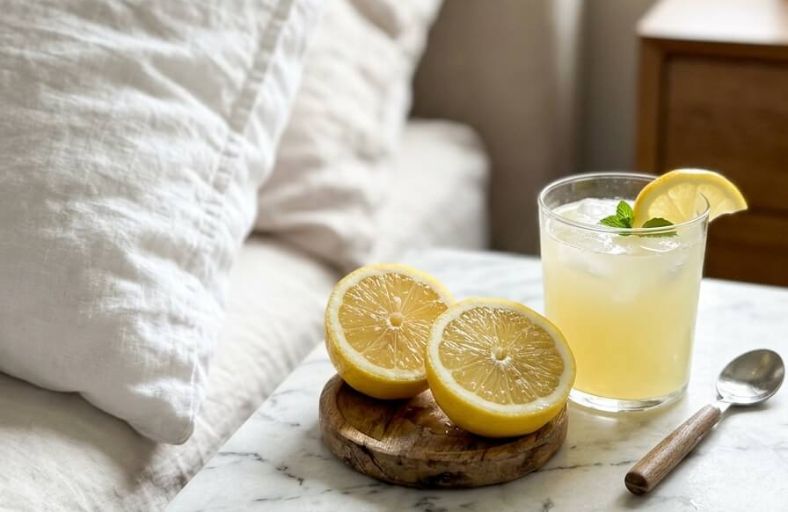
White bed sheets have a timeless, crisp appeal that makes any bedroom feel cleaner, fresher, and more put-together.
But keeping them genuinely bright over time is a challenge that almost every homeowner eventually faces.
Regular washing alone isn’t always enough to combat the gradual yellowing and dinginess that comes from body oils, sweat, detergent buildup, and hard water minerals.
Before you assume your favorite sheets are beyond saving, know that most discoloration responds remarkably well to the right treatment.
Many of the best solutions use affordable ingredients you likely already have at home. These effective tips will show you exactly how to restore your bed sheets to a clean, brilliant white without harsh chemicals or expensive products.
Distilled White Vinegar for Mineral and Residue Stripping
Distilled white vinegar is a fundamental tool for reversing the graying or yellowing caused by hard water and detergent buildup.
The 5% to 8% acetic acid content functions as a mild solvent that dissolves the ionic bonds of calcium and magnesium precipitates clinging to cotton fibers.
By lowering the pH of the wash water, vinegar also neutralizes alkaline detergent residues, allowing them to be rinsed away more effectively.
To strip the linens, add one cup of white vinegar to the fabric softener compartment or directly to the rinse cycle.
This acidic environment is particularly effective at breaking down the waxy buildup left by commercial fabric softeners, which often traps oils inside the weave.
While vinegar is an excellent stripper, its primary role is to clear the mineral clutter so that subsequent whitening agents can penetrate the fibers more deeply.
Sodium Bicarbonate for Alkaline Cleansing and Deodorization
Baking soda, or sodium bicarbonate, provides a gentle alkaline boost to your laundry routine. With a pH of approximately 8.3, it acts as a buffer to maintain an optimal environment for detergent surfactants to function.
Unlike acidic vinegar, baking soda is highly effective at neutralizing acidic odor molecules, such as the isovaleric acid found in human sweat.
For the best results, add half a cup of baking soda directly into the drum of the washing machine before adding your sheets.
The mild abrasiveness of the bicarbonate crystals physically dislodges surface soils and dead skin cells during the agitation cycle without damaging delicate cotton.
You can also mix baking soda with water to create a paste for pre-treating localized yellow stains on pillowcases where sebum concentration is highest.
Citric Acid and Chelation Through Lemon Juice
Lemon juice is a powerful natural whitening agent thanks to its high concentration of citric acid.
Citric acid acts as a chelating agent, meaning it binds to metal ions like iron or magnesium in the water, preventing them from causing fabric discoloration.
This makes lemon juice particularly useful for addressing yellowing caused by mineral contaminants in the water supply.
To utilize this method, fill a large tub with hot water and add the juice of three to four lemons, or approximately half a cup of lemon juice.
Soak your sheets in this solution for at least one hour, or overnight for heavily aged linens.
The natural acidity helps break down protein based stains from sweat while leaving a fresh citrus aroma that replaces synthetic, residue-heavy fragrances.
Photodegradation via Solar Bleaching
The sun is one of the oldest and most cost-effective whitening tools available. Solar bleaching relies on ultraviolet (UV) radiation to break the chemical bonds within the chromophores of a stain.
This process, known as photodegradation, effectively fades yellowing until it is no longer visible. Additionally, UV light acts as a potent disinfectant by damaging the DNA of bacteria, fungi, and dust mites often found in bedding.
For optimal results, hang damp white sheets outdoors in direct sunlight for two to three hours. Ensure the linens are spread flat or pinned at the corners so the sun reaches the entire surface.
Be cautious not to exceed this timeframe, as prolonged exposure can eventually degrade cellulose molecules, making the fabric brittle.
Sodium Percarbonate and the Power of Oxygen Bleach
Oxygen bleach, often found in products like OxiClean, is a fantastic, fiber-safe alternative to harsh chlorine bleach.
Unlike its more corrosive cousins, oxygen bleach is typically made from sodium percarbonate, which releases active oxygen molecules when mixed with water to lift organic stains and dirt.
This method is color-safe and much gentler on the structural integrity of your cotton or linen sheets.
The secret to success with oxygen bleach is time. For the best results, submerge your sheets in warm water with a full capful of oxygen bleach for at least six hours or even all day.
| Feature | Oxygen Bleach | Chlorine Bleach |
| Active Ingredient | Sodium Percarbonate | Sodium Hypochlorite |
| Fabric Safety | Safe for most fabrics | Can weaken cotton fibers |
| Environmental Impact | Breaks down into oxygen and water | Harsher chemical footprint |
| Best For | Deep organic stains and regular use | Heavy-duty disinfection |
This long soak allows the oxidative process to fully break down the complex lipids and proteins that cause yellowing.
Hydrogen Peroxide for Protein Degradation
If you are looking for a liquid oxidizer that is gentler than chlorine, 3% hydrogen peroxide is an excellent choice. It is particularly effective at breaking down protein based stains such as sweat and skin cells without damaging the delicate cotton yarn.
Because it functions as an oxygen based whitener, it brightens fabrics while providing a disinfecting boost.
To whiten your bedding, simply add one cup of hydrogen peroxide to the wash cycle along with your regular detergent.
For targeted treatment on yellowed pillowcases, you can spray a 1:1 mixture of peroxide and water directly onto the fabric before washing.
Just remember not to mix hydrogen peroxide with vinegar in the same cycle, as this can create a harmful reaction.
Borax as a Multi-Functional Laundry Booster
Borax, or sodium borate, is a classic naturally occurring mineral that has been used in laundry rooms for generations.
It works by converting some water molecules into hydrogen peroxide when dissolved, providing a mild bleaching and deodorizing effect.
Beyond whitening, borax acts as a water softener, which helps prevent hard water minerals from sticking to your sheets and making them look gray.
For deep cleaning, dissolve half a cup of borax in hot water and add it to your wash cycle alongside your regular detergent.
If your sheets have set-in stains, an overnight pre-soak in a gallon of water mixed with half a cup of borax can perform wonders.
It is a versatile booster that keeps your whites brilliant without the need for synthetic chemicals.
Washing Soda for Advanced De-mineralization
Washing soda, or sodium carbonate, is a powerhouse when it comes to high-alkalinity cleaning. It is specifically effective at removing grease, body oils, and stubborn mineral deposits that trap dirt inside the fabric weave.
By softening the water and boosting the power of your laundry detergent, washing soda ensures that residues are completely rinsed away rather than redepositing on your linens.
To use this solution, add half a cup of washing soda directly into the drum of your washing machine at the start of the cycle.
This is particularly helpful for households with hard water, as it prevents the dingy cast that develops over time.
Because of its high pH, washing soda emulsifies oils better than standard detergent alone, leaving your sheets feeling truly clean and looking significantly brighter.
Liquid Bluing and the Physics of Color Perception
Liquid bluing is an old-school laundry secret that relies on color theory rather than chemical scrubbing.
Because blue and yellow are opposites on the color wheel, adding a trace amount of blue pigment to your wash counteracts the yellowing of the fabric, tricking the human eye into seeing a much brighter, snow-white finish.
Most white linens are actually treated with blue dye during manufacturing for this exact reason.
Using it requires a delicate touch; you must always dilute the bluing in cold water before adding it to your machine to prevent permanent blue spotting.
Mix about 1/4 teaspoon in a quart of water until it looks like a light sky blue, then add it to the final rinse cycle.
Just remember that bluing is an optical whitener, not a stain remover, so ensure your sheets are clean before you start this process.
Also, avoid using it with bleach or fabric softener, as these can cause the blue to stick unevenly.
Enzymatic Detergents and Biological Breakdown
If your yellowing is concentrated around the pillowcases or the “head” of the bed, you are likely dealing with a buildup of sebum and proteins.
Enzyme detergents are designed with biological catalysts, specifically proteases to break down protein stains like sweat and lipases to dissolve skin oils and hair products.
These enzymes act like tiny biological scissors that cut through the sticky bio-film that standard detergents might leave behind.
For the best results, use a high-quality enzyme detergent in warm water, which is usually around 120°F. This temperature activates the enzymes without destroying them.
For particularly stubborn areas, you can apply a small amount of the concentrated liquid detergent directly to the yellowed fabric as a pre-treatment before tossing it into the machine.
This targeted digestion of organic matter is often far more effective for long-term whiteness than using harsh chemical lighteners.
Chlorine Bleach
While chlorine bleach is the most common tool people reach for, it should actually be used with extreme caution on bed sheets.
Chlorine, or sodium hypochlorite, is a powerful disinfectant, but it has a nasty habit of reacting chemically with the proteins found in sweat and skin oils.
This reaction can actually cause the yellow stains to darken and become even more permanent. Furthermore, chlorine is corrosive and will eventually weaken the cotton fibers, leading to thinning and holes over time.
If you must use chlorine bleach, ensure your sheets have already been washed once to remove organic oils.
| Bleach Comparison | Best For | Risk Factor |
| Oxygen Bleach | Regular whitening and stain removal | Very low; fiber safe |
| Chlorine Bleach | Heavy-duty disinfection and sanitization | High; can yellow or weaken fabric |
Only use it on 100% cotton or bleach-safe whites, and always dilute it by adding it to the dispenser after the drum has filled with water.
Strategic Water Temperature Management
Water temperature is a critical variable in both cleaning and fabric preservation. Hot water, ideally reaching around 130°F (54.4°C), is highly effective at killing dust mites, bacteria, and allergens while helping to dissolve stubborn body oils and skincare residues.
However, consistently using extreme heat can cause cotton and other natural fibers to shrink or wear out prematurely.
For sustainable maintenance, a strategic approach is best. Use a weekly wash in warm water (around 100°F to 110°F) to lift surface oils without stressing the fabric fibers. Reserve the “hot” cycle for a monthly deep sanitization.
When drying, always choose a low or medium heat setting. Excessive heat in the dryer can act as a catalyst, essentially baking any remaining organic residues into the fibers and setting yellow stains permanently.
Evening Hygiene and Preventative Habits
The most sustainable way to keep your sheets white is to prevent the accumulation of oils and products in the first place.
Adopting a few simple pre-sleep hygiene habits can significantly reduce the organic load transferred to your bedding.
Taking a shower before bed is one of the most effective ways to wash away sweat, sebum, and environmental pollutants before they hit the fabric.
If you use an intensive nighttime skincare routine, timing is key. Apply your lotions, creams, or oils at least 30 to 60 minutes before getting into bed.
This allows the products to fully absorb into your skin rather than being wiped off onto your pillowcase.
Additionally, switching to lightweight, water based skincare products can reduce the amount of waxy film that requires heavy chemical stripping later.
Load Management and Machine Maintenance
The mechanical action of your washing machine is what physically scrubs the dirt away, so your sheets need room to breathe. Overloading the machine prevents water and detergent from circulating freely.
This often leads to redeposition, a process where the dirty wash water is trapped in the fabric folds and settles back onto the linens during the spin cycle.
To ensure a thorough clean, wash only one set of sheets at a time. This allows the fabric to agitate properly and ensures a more effective rinse.
Utilizing an extra rinse setting is also a valuable tool for ensuring that every trace of detergent, mineral, or stripping agent is completely removed.
| Maintenance Task | Frequency | Primary Benefit |
| Warm Water Wash | Weekly | Removes surface oils and sweat |
| Extra Rinse Cycle | Every Wash | Prevents detergent and mineral buildup |
| Hot Water Sanitize | Monthly | Deep cleans and kills allergens |
| Machine Clean Cycle | Monthly | Prevents machine-based discoloration |
Finally, remember to run a monthly “clean” cycle on your washing machine itself to ensure that mold or old residue doesn’t dull your pristine white linens.