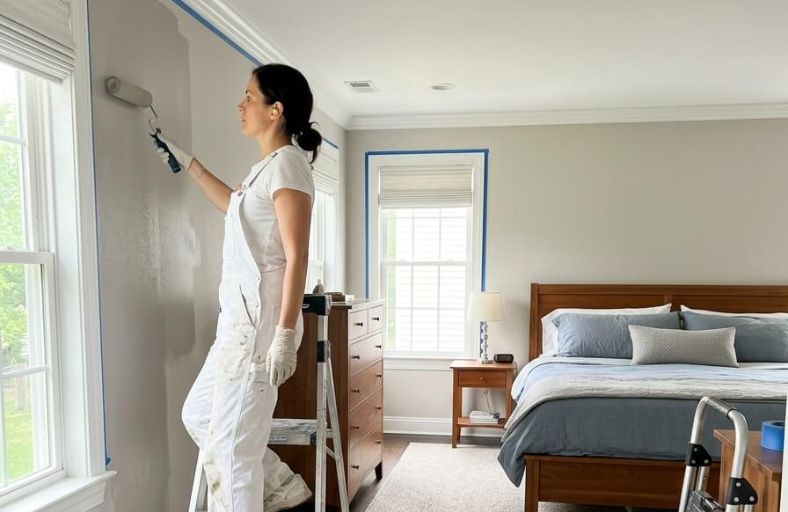
One of the most common questions homeowners ask before starting a bedroom refresh is a simple one, “how much is this actually going to cost?” The answer depends on more variables than most people initially realize.
Room size, paint quality, number of coats required, ceiling height, wall condition, and whether you hire a professional or tackle the job yourself all play a significant role in the final price.
Understanding these factors upfront helps you make smarter decisions and avoid overspending.
This guide walks through every cost consideration clearly and practically, giving you a realistic picture of what painting a bedroom involves financially whether you are working with a tight budget or a more generous one.
Accurate Determination of Square Footage and Paint Volume
The foundation of a successful painting budget is a precise calculation of the surface area.
Professional painters do not guess the amount of paint required; they use standardized formulas to ensure coverage and minimize expensive waste.
A single gallon of paint is benchmarked to cover approximately 350 to 400 square feet. To determine the total paint volume required (V), the following formula is utilized:
V = [ (ΣA / (W/H)) – (Σaₒ / (wₒ/hₒ)) ] × C / N
In this equation, W and H are the width and height of each wall, while wo and ho represent the dimensions of openings such as doors and windows. C is the coverage rate of the specific paint product, and N is the number of coats required.
Applying two coats is the standard for a quality finish, but dramatic color shifts may require three coats, including a dedicated primer.
Using digital paint calculators provided by major manufacturers like Benjamin Moore or Behr, or ours below can help you refine these estimates before you hit the store.
Paint Quantity Calculator
The DIY Tool and Material Investment Breakdown
While do-it-yourself painting is often chosen to save on labor, it necessitates a substantial upfront investment in equipment. High-quality results are impossible without professional-grade applicators.
A standard tool kit for a single room includes synthetic bristle brushes (costing 50 to 100), high-quality roller frames and covers (20 to 50), and specialized painter’s tape (30 to 50).
The cost of protection is equally critical. Canvas drop cloths are preferred over plastic because they provide better traction and absorb spills, preventing the tracking of wet paint across your home.
Surface preparation supplies, such as 220-grit sandpaper, spackling compound, and caulk, typically add another 20 to 50 to the project.
If the room features high ceilings, the rental of an extension ladder can add 50 to 150 to your bill.
Consequently, a first-time DIYer should expect to spend between 200 and 600 on materials and tools alone for a professional-looking result.
Evaluating Professional Labor Rates and Regional Pricing
Labor is the primary cost driver in professional painting contracts, typically representing 70% to 80% of the total expense.
In 2026, general labor rates for interior work range from $20 to $50 per hour, while specialized techniques or high-end finishes can push rates to $70 per hour or more.
The geographic location of the property plays a pivotal role in these rates. For instance, in high-cost areas, a single room might cost up to $1,000.
| Room Type | Square Footage (Approx.) | Professional Cost Range (USD) |
|---|---|---|
| Small Bedroom | 100 sq. ft. | $200 - $600 |
| Master Bedroom | 224 sq. ft. | $350 - $1,500 |
| Bathroom | 80 sq. ft. | $200 - $400 |
Trim, Ceilings, and Height
The geometry of your bedroom significantly influences the final quote. Flat, rectangular walls are the most affordable to paint, but architectural details introduce labor intensity.
Painting baseboards, crown molding, and window trim typically adds $1.00 to $4.00 per linear foot.
Doors are often priced per unit, with professionals charging between $50 and $100 per door depending on the complexity of the panels.
Ceiling height is another critical variable. Standard eight-foot ceilings are the baseline; however, cathedral or vaulted ceilings exceeding 12 feet require specialized equipment like scaffolding and ladders, often resulting in a 10% to 30% increase in total labor costs.
Furthermore, if you desire an accent wall, expect a surcharge of $50 to $150 for that specific wall due to the precision required for cutting in clean edges between two colors.
Critical Surface Preparation and Repair Protocols
A common mantra among professional painters is that a project is only as good as the preparation beneath it.
Skipping this step is the leading cause of paint failure, including peeling or bubbling later on.
For a high-end finish, your walls must be clean, dry, and dull. Start by washing the walls with a damp sponge to remove dust and oils, especially around light switches where hands frequently touch the surface.
Next, tackle the mechanical repairs. Fill any nail holes, cracks, or dents with a lightweight spackling compound using a putty knife.
Once dry, sand these areas flush with 220-grit sandpaper until the surface feels perfectly smooth to the touch. In 2026, professional preparation work is typically priced between $0.50 and $0.75 per square foot.
While it feels like a chore, proper prep ensures the paint adheres correctly and looks flawless when sunlight hits the wall. Remember: paint is designed to hide color, but it often magnifies texture imperfections!
Selecting the Right Paint and Primer
The chemistry of paint is advanced, focusing on durability and environmental safety.
Most quality paints consist of pigments for color, binders to hold everything together, and solvents to keep it liquid.
Investing in premium paint often saves money in the long run because it contains higher concentrations of pigments and binders, requiring fewer coats for full coverage.
Prices for standard interior paint range from $20 to $70 per gallon, while designer brands can exceed $100.
Primer is not just cheap paint; it is a specialized coating designed to seal porous surfaces and provide a uniform base.
You must use a primer when painting over new drywall, patched areas, or when making a significant color transition, such as going from a dark navy to a light cream.
Using a quality, moisture-resistant primer adds a vital barrier that prevents peeling and ensures your chosen color looks vibrant and consistent across the entire room.
The Economics of Sheen and Finish Selection
The sheen refers to how much light reflects off the dried paint surface. Choosing the right finish is a balance between aesthetic goals and functional needs like washability.
In 2026, designers prefer flatter finishes on walls to hide imperfections and higher gloss on architectural details for contrast.
While the price per gallon is often similar regardless of sheen, the labor for high-gloss finishes can be higher because they require more meticulous surface preparation.
| Finish Type | Best For | Pros & Cons |
| Flat / Matte | Adult bedrooms, ceilings | Hides wall bumps perfectly; harder to scrub clean |
| Eggshell / Satin | Kids' rooms, hallways | Slight glow; very durable and easy to wipe down |
| Semi-Gloss | Trim, doors, baseboards | High moisture resistance; reflects every wall imperfection |
Flat finishes are particularly effective for bedrooms with uneven walls because they absorb light rather than reflecting it.
Conversely, semi-gloss is the standard for baseboards and window frames because it repels moisture and withstands the occasional bump from a vacuum cleaner.
Color Trends
The aesthetic landscape of 2026 is defined by a total rejection of the cool grey era. Instead, homeowners are embracing colors that evoke warmth, connection, and nature.
Designers are moving toward warm neutrals like mushroom, clay, and taupe, which provide a grounded and organic feel to the bedroom.
Behr’s 2026 Color of the Year, "Hidden Gem" (N430-6A), is a perfect example of this shift. Described as a smoky jade, this color provides a sense of mystery and sophistication, creating spaces that feel both grounded and alive.
It is particularly effective when used for color drenching, which is the practice of painting walls, trim, and even ceilings in the same hue to create a seamless, cocooning environment.
Research suggests that choosing the right color can significantly impact your home's value; for instance, specific earthy tones can increase resale value far more than sterile white interiors.
The Rhythm of Blues and International Trends
Global leaders like Dulux and Jotun have released influential palettes for 2026 that emphasize the emotional impact of the bedroom.
Dulux’s "Rhythm of Blues" collection features a trio of indigo shades: "Mellow Flow" (a light sky blue for connection), "Free Groove" (a vibrant cobalt for creativity), and "Slow Swing" (a dark, meditative blue for rest).
These palettes allow you to choose a rhythm that matches your lifestyle, whether you need to recharge or find inspiration.
Jotun’s "Soulful Spaces" collection focuses on Scandinavian neutrals and soft pastels like "Soft Dunes" and "Hazelnut Beige", which are designed to create a calm, minimalist backdrop.
These palettes reflect a broader 2026 trend toward "biophilic design," where interior colors mirror the natural world to foster wellness.
| Brand | Key 2026 Palette / Theme | Vibe / Emotion |
| Behr | Hidden Gem (Smoky Jade) | Sophisticated, grounded, and mysterious |
| Dulux | Rhythm of Blues (Indigos) | Calming, creative, and connected |
| Jotun | Soulful Spaces (Neutrals) | Serene, restful, and timeless |
Painting in Humid and Wet Environments
The physical environment during the painting process is a critical but often overlooked cost factor. In humid regions, high humidity levels (exceeding 85%) are the enemy of a quality paint job.
Moisture in the air slows the evaporation of water in latex paints, leading to extended drying times and increasing the risk of dust settling on the wet surface.
To ensure a durable finish in wet climates, you should employ specific strategies:
- Optimal Windows: Only paint when humidity is between 40% and 50% for best results.
- Product Selection: Acrylic latex paints are the best choice for humid conditions because they resist blistering, flaking, and mildew better than oil-based alternatives.
- Active Ventilation: Using dehumidifiers and oscillating fans is essential to circulate air and speed up the curing process.
Failure to account for humidity can lead to surfactant leaching, where ingredients rise to the surface as unsightly streaks, potentially requiring a full and expensive redo of the project.
DIY Weekends vs. Professional Efficiency
When evaluating the cost to paint a bedroom, the value of your own time must be a primary factor in the equation.
While a professional crew can typically prep and paint a standard bedroom in just 4 to 6 hours, a DIY project often consumes between 45 and 90 hours of active labor .
This includes the entire lifecycle: moving furniture, intricate masking, multiple coats, and the final cleanup .
| Factor | DIY Painting | Professional Painting |
| Time Investment | 45 – 90 Hours | 4 – 6 Hours |
| Longevity | 3 – 5 Years | 7 – 10 Years |
| Quality | Variable | Polished & Consistent |
| Warranty | None | Typically Included |
For many homeowners, the financial savings of a DIY job are quickly offset by the loss of multiple weekends.
Furthermore, professional work generally comes with a warranty, providing a safety net that personal efforts lack .
If a mistake occurs during a DIY project, such as paint spilling on expensive flooring or poor adhesion leading to peeling, the remediation costs can easily exceed the price of a professional contract .
Lead Safety and Environmental Health
Health considerations introduce another layer of responsibility and potential cost. If your home was built before 1978, there is a high probability that the existing layers contain lead-based paint .
Lead is highly toxic, particularly to children, and any project involving sanding or scraping these surfaces requires specialized contractors and hazardous material mitigation, which significantly increases the budget .
Modern paint choices also impact your indoor air quality long after the job is finished. Traditional paints release Volatile Organic Compounds (VOCs) that can cause headaches and respiratory issues .
In 2026, the market has shifted heavily toward low-VOC and zero-VOC options. While these eco-friendly paints may carry a slight price premium, they eliminate the harsh "new paint smell" and allow you to re-occupy your bedroom safely on the same day .
Always prioritize safety gear like masks and gloves when handling any paint materials .
Waste Reduction and Long-Term Maintenance Costs
The final phase of a sustainable painting project is responsible waste management. In the United States alone, approximately 1.57 billion gallons of paint are consumed annually, and a significant portion of this ends up as environmental waste .
To reduce your footprint and save money, start by buying accurately: use digital calculators to purchase only the volume needed for your specific square footage .
Proper storage is the key to avoiding future costs for touch-ups. Before sealing a leftover can, clean the rim thoroughly to ensure an airtight seal and use a rubber mallet to close the lid without damaging it .
Store your paint in a dry, climate-controlled area to prevent it from freezing or rusting.
For long-term maintenance, a fresh coat every few years or immediate touch-ups on chips and peels can defer the massive expense of a full professional repaint for a decade or more .