Scent is one of the most powerful tools in home decorating, yet it’s one that many homeowners overlook entirely when thinking about how to improve their living spaces.
A room can be beautifully furnished and perfectly organized, but if it doesn’t smell fresh and pleasant, the overall experience falls short of what it could be.
The challenge isn’t finding products that create a nice scent temporarily. It’s building habits and systems that keep a room smelling consistently good day after day.
These ways will walk you through the most reliable approaches to making any room in your home smell welcoming, clean, and pleasantly fragrant without relying on overpowering artificial sprays.
Eliminate Odors at the Source
A fresh-smelling home begins with the aggressive removal of odor reservoirs before any fragrance is introduced.
Bacteria and fungi often thrive in hidden damp spots like sink drains or the undersides of garbage disposals.
To combat this, you can flush drains with enzymatic cleaners or run ice cubes through the disposal to physically dislodge decaying food debris.
Soft surfaces are the largest odor sinks in any room. Fabrics like linen curtains, velvet upholstery, and thick rugs trap body oils, pet dander, and smoke particles over time.
Periodically steam cleaning these surfaces or laundering linens in high-heat cycles is essential to kill odor-causing bacteria and refresh the base scent of the room.
Consistency in laundry hygiene, such as ensuring clothes are completely dry before storage to prevent mildew, is equally critical.
Maximize Strategic Ventilation
Stale air is a primary contributor to a stuffy atmosphere, making it vital to master the dynamics of natural and mechanical ventilation.
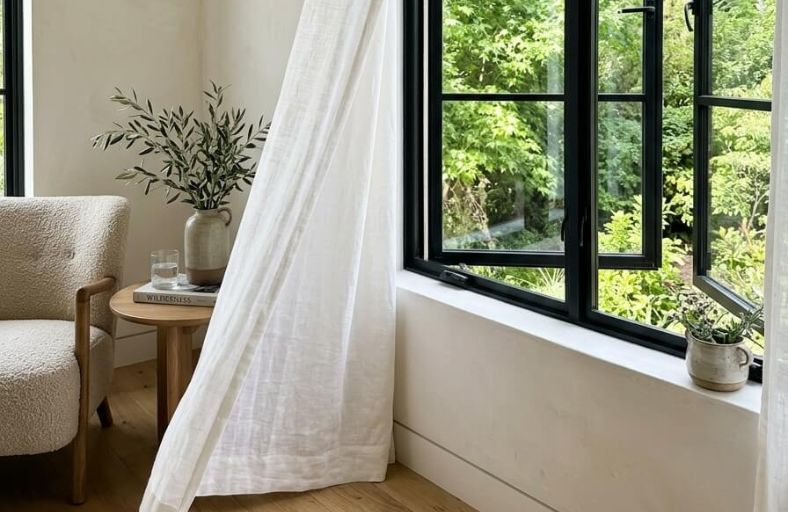
Opening windows for just 10 to 20 minutes daily facilitates a complete air exchange, whisking away concentrated odor molecules and volatile compounds.
In specific zones like bathrooms and kitchens, mechanical exhaust fans must be used during and after activity to prevent moisture from settling into porous materials, which leads to musty mold odors.
Scientific research suggests maintaining indoor humidity between 40% and 60% to inhibit microbial growth while ensuring the air remains comfortable for breathing.
In areas with poor airflow like basements or large closets, using dedicated dehumidifiers or louvered doors can prevent the buildup of stagnant, smelly air.
Molecular Neutralization
Molecular neutralization targets malodors at a chemical level through adsorption or pH balancing rather than simply overwhelming the nose.
Activated charcoal is one of the most powerful tools available; its incredibly porous structure provides a massive surface area to physically trap and lock away Volatile Organic Compounds (VOCs) and pet smells.
Meanwhile, sodium bicarbonate (baking soda) acts as a neutralizing agent for both acidic and basic odors, turning them into odorless salts.
| Agent | Mechanism | Best Use Case |
| Baking Soda | Chemical Neutralization | Carpets, fridges, laundry baskets |
| Activated Charcoal | Physical Adsorption | Closets, pet areas, shoe storage |
| White Vinegar | Vaporized Acid Bonding | Cooking odors, smoke removal |
Vaporizing white vinegar by simmering it on a stovetop allows the acetic acid to bond with airborne volatile molecules, effectively clearing the air after a heavy cooking session.
High-Tech Air Filtration
For a home to smell truly clean, you must address the microscopic particles that carry odors.
High-Efficiency Particulate Air (HEPA) filters are the gold standard here, designed to capture 99.97% of airborne particles as small as 0.3 microns, including dander, dust, and smoke residue.
However, a HEPA filter alone only handles particulates; for gaseous smells and Volatile Organic Compounds (VOCs), you need a dedicated activated carbon stage.
This carbon layer acts as a chemical sponge, adsorbing molecules that standard filters would simply miss.
To maximize efficiency, place your air purifier in the center of the room to allow for 360-degree airflow, or near a known odor source like a pet station.
If you live in an area where outdoor air quality prevents you from opening windows, investing in a high-quality purifier is the single most effective way to prevent that closed-up stale feeling.
Living Air Filters
Incorporating plants is a beautiful way to add a living layer of aroma while naturally scrubbing the air of toxins.
Research, including famous studies by NASA, shows that specific houseplants can sequester harmful VOCs like formaldehyde and benzene through their leaves and root-associated microbes.
Species such as the Peace Lily and Snake Plant are particularly resilient and effective at improving indoor air quality in bedrooms and living areas.
For those wanting a natural fragrance boost, plants like Jasmine, Gardenia, or Eucalyptus release lush, sweet notes into the air.
| Plant Species | Primary Benefit | Ideal Location |
|---|---|---|
| Snake Plant | Converts CO2 to O2 at night | Bedroom |
| Peace Lily | VOC sequestration | Living room |
| Jasmine | Intense natural floral scent | Sunlit windows |
| Eucalyptus | Antimicrobial, fresh aroma | Bathroom/Shower |
To get the most scent out of your greenery, cluster them near sunlit windows; the warmth from the sun facilitates the natural diffusion of their essential oils throughout the room.
Natural Stovetop Simmer Pots
If you want a cozy, cottagecore atmosphere without the synthetic chemicals found in many candles, simmer pots are the perfect DIY alternative.
By gently heating a mixture of water and botanicals on a stovetop or in a slow cooker, you release a soft, natural fragrance that permeates the entire house.
Unlike aerosol sprays that vanish in minutes, the steam from a simmer pot carries scent consistently for hours. You can customize your recipes based on the season.
For a refreshing herbal blend, try lemon peels, fresh rosemary, and bay leaves.
For a warmer vibe, use sliced oranges, cinnamon sticks, and cloves.
Pro tip: using a mini slow cooker is often safer and creates less indoor air pollution than using a gas stove for extended periods.
Fragrance Architecture and Zoning
Luxury hotels don’t just use one smell; they practice fragrance architecture, which involves assigning specific scent profiles to different rooms based on their function. This prevents nose blindness and ensures each space evokes the right mood.
For example, the entryway should have a signature scent like white tea or clean linen to create an immediate, welcoming impression.
Layering is also key to longevity. This involves using a passive diffuser (like reeds) for a constant background scent, and then adding active elements like a light room spray or a fabric mist on upholstery to refresh the space before guests arrive.
By keeping adjacent rooms within the same scent family, you create a seamless transition that feels intentional and high-end.