Walking into a new apartment should feel like a fresh start, yet the hollow echo of empty rooms often triggers a wave of financial anxiety.
Filling those blank spaces with life, comfort, and functionality requires more than just a credit card; it demands a strategic roadmap.
Whether you are moving into a sleek studio in a bustling downtown metro or a cozy suburban retreat, the price tag for furnishing can vary wildly based on material quality and logistics.
Understanding these costs upfront transforms a daunting expense into a manageable investment for your lifestyle.
Identify Your Market Tier and Material Quality
Before buying a single lamp, you must decide which economic tier fits your long-term goals.
The market is currently split into three distinct categories that dictate both the upfront cost and the furniture’s lifespan.
The entry-level tier relies on mass-market flat-pack items made of MDF or laminate, which offer immediate style at a low price but usually require replacement within three to five years.
Mid-range setups balance cost with durability, utilizing solid wood and high-performance textiles designed to last over a decade.
Luxury tiers focus on custom-built pieces and designer labels that can last a lifetime with proper care.
| Market Tier | Estimated Cost (Full Home) | Primary Materials |
| Entry-Level | $3,500 – $8,000 | MDF, Laminate, Synthetic Fabrics |
| Mid-Range | $9,000 – $22,000 | Solid Wood, High-Resiliency Foam |
| Luxury | $50,000+ | Exotic Hardwoods, Top-Grain Leather |
Prioritize High-Contact Areas First
Strategic spending means putting the most money where you spend the most time.
The living room remains the primary cost driver, averaging between $2,500 and $5,500 for a quality setup.
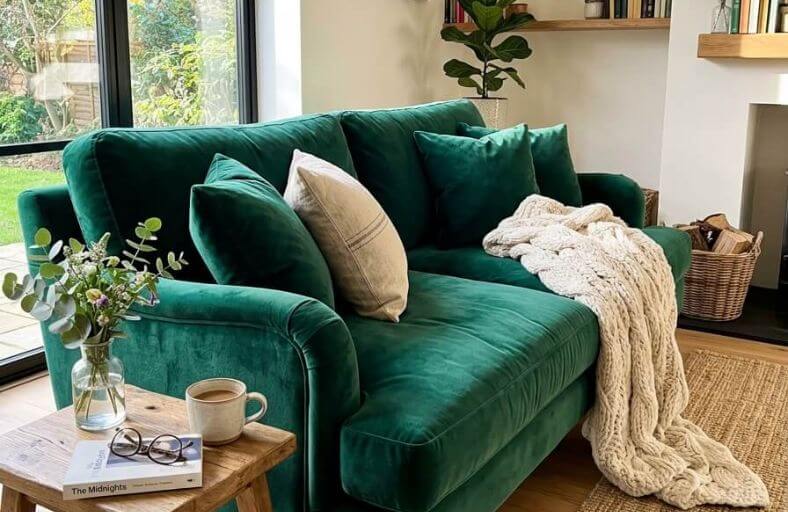
The center of this investment should be the sofa. A well-constructed sofa in the $800 to $1,800 range is statistically more cost-effective as it often outlasts three budget alternatives.
Following the living room, the primary bedroom suite typically commands $2,000 to $5,000.
Investing in a high-quality mattress is non-negotiable for sleep health and long-term durability. Focus your Tier 1 budget on these essentials to make the space habitable immediately
Master the Appliance Procurement Strategy
Major appliances are a significant capital requirement, often overlooked until the move-in date, especially if renting a condo or buying a home where these aren’t pre-installed.
A comprehensive package, including a refrigerator, microwave, range, and dishwasher, averages between $2,500 and $6,000.
While budget models exist, investing in Energy Star-certified units can save you significantly on monthly utility bills.
For example, a modern heat pump dryer can cut annual energy usage by more than half compared to traditional electric models.
When shopping, look for major retailers offering bundle discounts of 10% to 25% for purchasing multiple units at once, particularly during major holiday weekend sales.
| Appliance Type | Average/Mid-Range Cost | High-End/Luxury Cost |
| Refrigerator | $900 – $2,500 | $3,000 – $8,500 |
| Washing Machine | $700 – $1,300 | $1,400 – $2,200 |
| Clothes Dryer | $600 – $1,100 | $1,200 – $2,000 |
| Dishwasher | $600 – $1,200 | $1,300 – $2,500 |
Leverage Retail Bundling and Room Packages
If you want a cohesive look without piece-by-piece shopping, many prominent online furniture retailers and local showrooms offer curated room packages.
These sets bundle essential items, like a matching bed, nightstands, and dresser, into a single price, passing wholesale savings onto the consumer.
For a standard two-bedroom apartment, utilizing curated room sets typically ranges from $5,000 to $12,000 depending on wood quality and brand reputation.
| Unit Type | Average Square Footage | Estimated Setup Price (Mid-Range) |
| Studio / 1-Bedroom | 500 – 750 sq ft | $4,500 – $8,500 |
| 2-Bedroom | 800 – 1,100 sq ft | $9,000 – $16,000 |
| 3-Bedroom | 1,200 – 1,600 sq ft | $14,000 – $25,000 |
This approach ensures aesthetic cohesion and significantly slashes the time spent coordinating deliveries from multiple vendors.
Account for Hidden Logistics and Assembly Fees
The sticker price of a new sofa is only the beginning of your financial journey. Hidden logistical fees often add an extra 15% to 20% to your total budget.
In high-density urban areas, local delivery usually costs between $75 and $250, but long-distance shipping or delivering heavy items can climb higher.
If you live in a multi-story building without a freight elevator, be prepared for stair charges or awkward-access fees that movers frequently apply.
Furthermore, professional assembly is a lifesaver for complex items like walk-in wardrobes or bunk beds, typically billed via flat rates per item or flat hourly service fees.
| Service Type | Estimated Cost Range |
| Local Delivery (Flat Rate) | $75 – $200 |
| White-Glove Delivery & Assembly | $150 – $450 (or 10% of order total) |
| Disposal / Haul-away (Old Mattresses/Couches) | $75 – $150 / item |
| Handyman Services (TaskRabbit, etc.) | $50 – $90 / hour |
Protect Your Investment Against Seasonal Climate Shifts
Depending on your geographic location, material science can quickly become your best friend.
Extreme seasonal shifts, like humid summers or dry, radiator-heated winters, are the silent enemies of wood furniture, often leading to warping, cracking, or veneer peeling.
To protect your investment, aim to maintain an indoor humidity level between 40% and 55%.
A crucial, zero-cost tip is to keep all solid wood furniture at least 3 to 5 inches away from external walls and heating vents to ensure proper air circulation and prevent dramatic temperature transfers.
Additionally, treating real wood surfaces with high-quality beeswax or specialized conditioning oils every six months creates a protective barrier against moisture fluctuations.
For regional climates prone to heavy summer humidity, investing in a standalone dehumidifier will keep your indoor microclimate, and your furniture, perfectly stable.
Follow a Phased Implementation Model
You do not have to furnish your entire apartment in a single weekend. Most savvy homeowners use a tiered approach to spread out the financial burden and avoid impulse buys.
- Tier 1: Move-in Phase (Month 1): Focuses on survival essentials: a high-quality mattress, a primary sofa, and basic kitchen cookware. (~50% of budget)
- Tier 2: Functional Phase (Months 3-6): Introduces secondary items such as dining sets, storage dressers, and a dedicated home office setup. (~30% of budget)
- Tier 3: Aesthetic Phase (Months 6-12): This is when you add personality through rugs, wall art, accent lighting, and smart home upgrades. (~20% of budget)
This strategy allows you to live in the space first and discover how you actually use it before spending your entire budget.