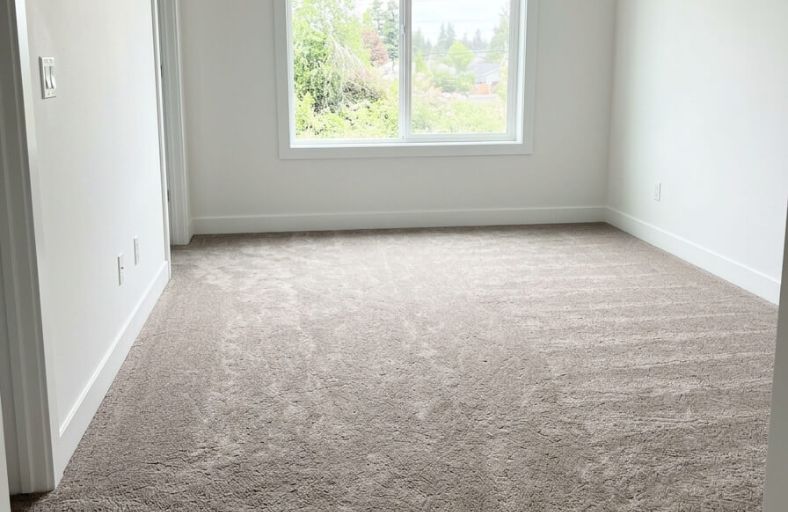
Stepping out of bed only to feel a rough, matted floor that resembles sandpaper more than silk is a quintessential aesthetic nightmare for any homeowner.
This daily frustration often signals that your bedroom’s carpet has reached its terminal stage, necessitating a fresh, plush update.
While the visual appeal of a new floor is the primary motivator, the financial reality involves a sophisticated interplay of material choice, labor, and hidden preparation costs.
Navigating these variables requires more than just a quick look at a price tag. It demands understanding how specific fibers and padding systems perform under the unique pressures of your personal sanctuary.
Selecting the Perfect Fiber
The carpet fiber you choose is the single most significant determinant of your total invoice. In 20266, the market offers a range of technologies from budget-friendly synthetics to elite natural fibers.
For a bedroom, you generally want to balance softness with durability. Polyester is the most wallet-friendly choice, typically costing between $1 and $3 per square foot for the material alone.
It feels incredibly plush and resists water-based stains naturally, making it perfect for guest rooms.
If you are looking for a forever carpet, Nylon is the engineering standard. It costs slightly more, ranging from $2 to $6 per square foot, but its elastic fibers bounce back after being crushed by heavy bed frames.
For the ultimate luxury experience, Wool remains the gold standard at $5 to $15 per square foot.
| Fiber Type | Material Cost (per sq. ft.) | Best For |
| Polyester | $1.00 – $3.00 | Budget-friendly softness |
| Nylon | $2.00 – $6.00 | High-traffic & durability |
| Wool | $5.00 – $15.00 | Luxury & natural insulation |
While expensive, its natural temperature regulation and hypoallergenic properties create a dream-like sleeping environment.
Investing in Quality Padding
It is a common mistake to focus entirely on the carpet and ignore what lies beneath. The padding acts as the shock absorber for your floor, and in a bedroom, it’s responsible for that walking on a cloud sensation.
Professional-grade padding typically adds $0.50 to $1.50 per square foot to your budget.
While you might be tempted to reuse your old pad to save money, this is strongly discouraged; old padding loses its structural integrity and can harbor years of hidden dust and allergens.
For most residential bedrooms, an 8-pound density rebond pad is the industry recommendation. It provides a firm foundation that prevents your new carpet fibers from stretching or matting prematurely.
If you want to elevate the comfort of a primary suite, consider upgrading to memory foam padding.
While it sits at the higher end of the price range ($1.00 – $1.50 per sq. ft.), the acoustic dampening and luxurious feel are well worth the extra investment for a peaceful night’s sleep.
Preparing for Subfloor Surprises
The true state of your project remains a mystery until the old carpet is ripped away. Subfloor issues are among the most expensive hidden costs because they are impossible to detect during an initial walkthrough.
If your house is older, you might encounter warped plywood, moisture damage from old pet accidents, or persistent squeaks in the floor joists.
Basic subfloor preparation and leveling generally cost between $1 and $2 per square foot.
However, if a contractor finds significant damage, costs can escalate quickly. Replacing damaged plywood panels can range from $300 to $800 per room.
In basement bedrooms or areas prone to humidity, you must also factor in a moisture barrier, which typically adds $0.50 to $1.00 per square foot.
Planning for a 15–20% contingency buffer in your budget ensures that these essential structural repairs don’t stall your renovation progress.
Installation Labor Rates
Professional labor is the bridge between a roll of fabric and a flawlessly fitted floor. For a standard stretch-in installation, where the carpet is hooked onto tack strips around the room’s perimeter, you should expect to pay between $1 and $3 per square foot.
This fee generally covers the laying of the pad, seaming the carpet pieces together, and using a power stretcher to ensure the surface is taut and ripple-free.
However, the architectural layout of your bedroom can cause these rates to fluctuate.
If your room features an irregular shape, built-in closets, or requires intricate work around floor vents, the installer may charge at the higher end of the scale.
One major budget-buster is the staircase. Because each step and riser must be cut and fastened individually, labor for stairs is typically billed separately, ranging from $3.50 to $12 per square foot, or roughly $7 to $20 per individual stair.
| Labor Component | Typical Cost |
| Standard Flat Floor | $1.00 – $3.00 per sq. ft. |
| Stairs (Labor Only) | $7.00 – $20.00 per stair |
| Custom Cuts/Angles | $0.50 – $1.00 extra per sq. ft. |
Factoring in Removal and Disposal
Many homeowners are surprised to find that deconstructing the old floor is often priced as a separate line item. Professional removal of your existing carpet and padding typically costs between $0.50 and $1.50 per square foot.
If your current carpet is a standard staple-down style, the process is relatively quick. However, if you are dealing with glued-down carpet, common in older basements, the labor cost can jump to $3 to $5 per square foot because the crew must mechanically scrape the adhesive residue from the subfloor.
Beyond just ripping it up, you must also consider where that old material goes. Disposal and landfill fees are frequently added to the invoice, usually ranging from $0.25 to $0.50 per square foot.
Some companies bundle removal and hauling together, while others may charge a flat junk removal fee of $75 to $150.
Checking your contract for these specific terms early can prevent a sudden $300 surprise on installation day.
Navigating Furniture Moving Fees
Unless you are moving into a brand-new, empty house, you likely have a heavy bed frame, dressers, and nightstands that need to be cleared out.
Most carpet installers expect a completely empty workspace to operate their stretching tools.
If you require the crew to handle the heavy lifting, expect a fee ranging from $50 to $200 per project, depending on the number of items. Some contractors prefer to charge per room (about $25 – $75) or an hourly rate of approximately $60.
This is one of the easiest areas to save money through a little DIY effort. By clearing the room yourself, including smaller items like lamps, books, and electronics, you not only lower the bill but also protect your personal belongings from accidental damage during the rush of a renovation.
If you have oversized items like a California King bed or a heavy armoire, it is best to confirm these specific pieces with your contractor in advance to avoid large item surcharges.
Timing Your Purchase for Maximum Savings
Timing is everything when it comes to securing the best rates on flooring materials. The most expensive time to buy is typically from August through November, as homeowners rush to finish renovations before the holiday season.
During this peak demand, installers are often booked weeks in advance, leaving you with very little room to negotiate on labor costs.
If you want to save between 15% and 30%, plan your purchase for late December through February.
Retailers are usually eager to clear out old inventory to make room for new spring styles, and foot traffic in showrooms is at its lowest.
Another sweet spot occurs in late spring (May and June), when stores run pre-summer clearance events.
| Season | Best Months | Typical Savings | Why? |
| Winter | Jan – Feb | 20% – 30% | Clearance of old styles; slow season for labor. |
| Spring | May – June | 15% – 20% | Pre-summer inventory refresh. |
| Holidays | Black Friday | 20% – 50% | Major promotional events. |
Scoring High-End Style with Remnants
For a single bedroom, carpet remnants represent the single most effective way to install a luxury floor on a budget-tier price.
Remnants are the leftover pieces from large commercial rolls or custom installations that retailers consider scraps.
Because they take up valuable warehouse space, they are often sold at a 50% to 75% discount off the original retail price.
You can often find high-quality Nylon or even premium Wool remnants for as little as $0.50 to $2.00 per square foot.
The main limitation is size; these pieces are sold “as-is,” so your bedroom dimensions must fit within the remnant’s footprint with at least six inches of excess on each side for trimming.
If your project is for a nursery or a standard guest room, remnants allow you to afford elite textures that would otherwise be out of reach.