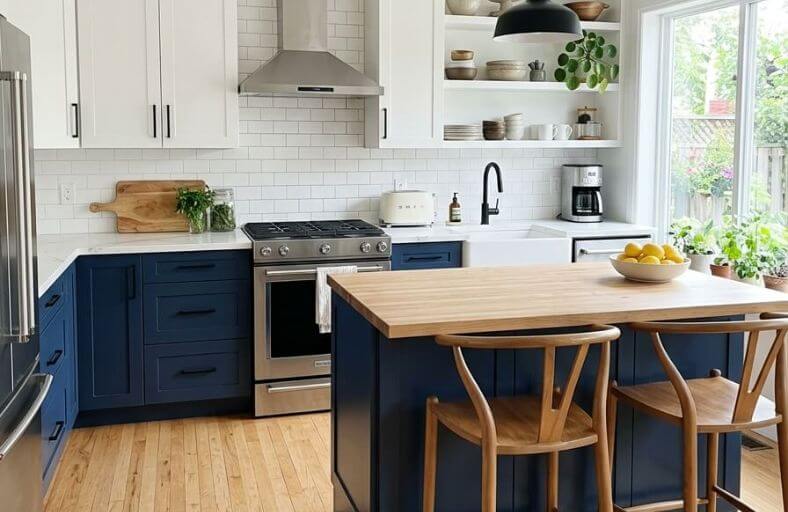
Your kitchen is the bustling heart of your home, but outdated cabinets can make the entire space feel stuck in another decade.
Walking into a room dominated by orange-toned wood or peeling laminate is a visual weight that often dampens your culinary creativity.
Modernizing your cabinetry does not require a total demolition or a massive contractor bill. With the right strategy, you can transform those tired boxes into a sleek, contemporary masterpiece.
Whether you want a quick weekend update or a deep functional overhaul, these steps will help you create a kitchen that looks expensive and feels completely personalized.
Cabinet Refacing
Refacing is the ultimate middle ground for homeowners who want a total transformation without the mess of a full remodel.
This process involves keeping your existing cabinet boxes but replacing all the doors and drawer fronts with brand-new ones.
To complete the look, a matching veneer is applied to the visible frames, making the entire unit look like a custom installation.
It is an eco-friendly choice because it keeps functional wood out of landfills while allowing you to switch styles, like moving from dated raised panels to modern, minimalist Shaker doors.
Refacing typically takes only a few days to complete and costs significantly less than a total replacement. It is the perfect hack for a kitchen that has a great layout but a tired, old-fashioned appearance.
Revitalizing with Fresh Cabinet Stain
If you love the look of natural wood but hate the orange or cherry undertones of older cabinets, a fresh stain is your best friend.
Modern staining techniques in 2026 focus on neutralizing warmth to achieve sophisticated greige, driftwood, or deep espresso tones.
To get a professional, high-end finish, you must sand the wood back to its bare state to ensure the new pigment penetrates evenly.
This approach celebrates the organic grain patterns that are making a huge comeback in contemporary design while making the wood feel fresh and intentional rather than neglected.
It is a timeless way to add warmth and texture to a modern kitchen without relying on paint.
Implementing Bold and Moody Color Palettes
Gone are the days when white was the only modern option for a kitchen. Today, homeowners are embracing saturated, moody hues that add drama and personality to the space. Deep navy, forest green, charcoal, and even matte black are leading the trends for 2026.
These bold colors act as a sophisticated backdrop that makes metallic hardware and stone countertops pop.
When choosing a dark shade, consider the lighting in your room; high-contrast palettes work best in spaces with plenty of natural light or bright LED systems to prevent the room from feeling too enclosed.
Painting your cabinets a deep color is a high-impact, low-cost way to create an aesthetic sanctuary.
The Sophistication of Two-Tone Design
Implementing a two-tone design is a brilliant way to add visual interest and break up the monotony of a single color.
This strategy usually involves using a darker, grounded color for the lower cabinets or the island while keeping the upper cabinets light or neutral.
This creates a weighted look that makes the ceiling feel higher and the space more open.
| Pairing Style | Upper Cabinet Color | Lower Cabinet / Island Color |
| Modern Classic | Crisp White | Navy Blue |
| Organic Contemporary | Light Grey | Natural Walnut |
| Moody Minimalist | Cream or Sage | Forest Green |
This approach allows you to experiment with bold trends without overwhelming the entire kitchen. It also helps visually zone the space, making it look like it was designed by a professional strategist.
Updating Cabinet Hardware as Jewelry
Often called the jewelry of the kitchen, updating hardware is the fastest and most affordable way to modernize your space.
The trend is moving toward larger, more sculptural pulls and knobs in finishes like matte black, brushed gold, and unlacquered brass.
Replacing standard 3-inch pulls with 8-inch or 12-inch vertical handles on tall pantry doors creates an immediate high-end architectural feel.
Mixing hardware styles, such as using sleek pulls for drawers and delicate knobs for upper doors, can also give your kitchen a curated, custom look rather than a generic, mass-produced vibe. It is a small detail that yields a massive return on visual appeal.
Maximizing Door Interior Space
Modernization is not just about the exterior; it is about making every square inch of your kitchen work harder.
The back of a cabinet door is often ignored, yet it represents prime real estate for vertical organization.
By installing slim racks, magnetic strips, or adhesive hooks, you can create dedicated zones for spices, measuring cups, or even pot lids that usually clutter your drawers.
This functional update aligns with the minimalist clear surface trend of 2026 by moving essential tools off the countertops and into hidden, organized compartments.
For a more integrated look, you can paint these interior organizers the same color as your cabinets. It is a low-cost, high-reward strategy that makes your daily cooking routine feel much more fluid and intuitive.
Transitioning to Open Shelving
Removing upper cabinet doors entirely to create open shelving is a powerful way to make a cramped kitchen feel spacious and airy.
This design choice breaks up the visual heaviness of solid cabinetry and provides a platform to display curated dishware, greenery, or artisanal cookbooks.
While some worry about dust, the modern approach is to use open shelves for high-rotation items that are used and washed frequently.
This transition creates an inviting, lived-in luxury feel that is hallmark of current Scandinavian and modern farmhouse aesthetics.
If you are not ready to commit to removing all doors, try starting with just one or two cabinets near a window to let more light bounce around the room.
Replacing Solid Panels with Glass Inserts
If you want the airy feel of open shelving but prefer to keep your dishes protected, glass-front cabinets are the perfect compromise.
This modernization involves cutting out the center wood panel of your existing doors and replacing it with a custom glass insert.
Glass reflects both natural and artificial light, which immediately brightens a dark kitchen and adds a layer of sophisticated depth.
| Glass Type | Visual Effect | Best Use Case |
| Clear Glass | High transparency | Showcasing heirloom china |
| Frosted Glass | Soft, blurred view | Hiding mismatched everyday dishes |
| Reeded/Textured | Artistic distortion | Adding texture while maintaining privacy |
Installing glass is a manageable DIY project using a router, clear silicone, and retainer clips. For an extra touch of luxury, consider adding internal LED puck lights to make the cabinets glow at night.
Embracing Rustic Texture with Chicken Wire
For homes leaning into a rustic, cottagecore, or modern farmhouse aesthetic, chicken wire inserts offer a tactile and unique alternative to glass.
Replacing heavy wood panels with fine-gauge wire mesh adds immediate visual interest and allows for better airflow, which is ideal for cabinets housing dry goods or root vegetables.
To keep this look modern rather than dated, many designers recommend painting the wire in matte black or a warm brass tone to coordinate with your new hardware. You can even back the wire with burlap for a softer, more opaque look.
It is a creative way to introduce texture into a room filled with hard surfaces like stone and tile, making the kitchen feel warmer and more artisanal.
The Industrial Utility of Pegboard Doors
Inspired by professional culinary environments, replacing cabinet doors or panels with pegboard is a bold, industrial-chic modernization.
This setup turns the exterior of your cabinets into a fully customizable storage system where you can hang frequently used pans, sieves, or even decorative herb pots.
Pegboard is exceptionally useful in small kitchens where drawer space is at a premium.
When painted in a sleek, moody color like charcoal or forest green, the pegboard loses its garage association and becomes a sophisticated design element.
This solution is perfect for the home chef who values extreme efficiency and a one-of-a-kind, maker-style kitchen aesthetic.
Finishing with Decorative Beadboard
Beadboard paneling is a classic tool used to add architectural detail and a cozy farmhouse vibe to plain cabinetry.
This decorative paneling is available in wood, metal, or vinyl and can be applied to cabinet ends or even the center panels of doors to provide a subtle vertical texture.
It is an excellent way to cover up scuffed or damaged side panels while making the entire unit look more substantial and custom-built.
In modern applications, designers often paint the beadboard the exact same color as the cabinets for a seamless, textured look that avoids looking too country.
This small addition provides depth and charm, helping to break up large, flat surfaces and protecting your cabinetry from daily wear and tear. It is an affordable DIY update that adds a layer of craftsmanship to a standard builder-grade kitchen.
Extending Your Cabinets Vertically
One of the most noticeable features of a dated kitchen is the awkward gap between the top of the cabinets and the ceiling.
Modernization focuses on “closing the gap” by installing stacked cabinets or decorative boxes in this unused space.
This vertical extension creates a massive amount of additional storage for seasonal items while giving the kitchen a grand, integrated appearance that mimics high-end custom millwork.
Floor-to-ceiling cabinetry is a major trend because it maximizes every inch of space and reduces visual clutter.
By bringing your cabinets all the way to the top, you eliminate the “dust graveyard” above your cupboards and create a sleek, continuous line that makes your ceiling feel much higher. It is a strategic move for both small and large kitchens seeking a more polished and efficient layout.
Utilizing Toe-Kick Drawers
Modernization is about reclaiming every possible inch of storage, including the dead space behind your baseboards.
Replacing standard baseboards with toe-kick drawers is a brilliant way to add hidden storage for flat objects that are otherwise difficult to organize.
These shallow drawers are perfect for items like baking sheets, cutting boards, muffin tins, or even a hidden step stool.
These drawers are “invisible” when closed, maintaining the clean lines of your kitchen while providing functional utility where there was once only wasted space.
Many modern versions use touch-to-open technology, allowing you to tap the drawer with your foot when your hands are full.
This is a prime example of smart, modern design that prioritizes everyday convenience without changing the outward aesthetic of the room.
Installing Pull-Out Shelves and Drawers
The ultimate ergonomic upgrade for any kitchen is the conversion of deep, dark base cabinets into accessible pull-out systems.
Instead of crawling on the floor to find a pot at the back of a 24-inch cabinet, pull-out drawers bring the contents directly to you, making everything visible and reachable.
| Storage Innovation | Best Use Case | Functional Benefit |
| Slide-out Baskets | Heavy pots and pans | High visibility and easy retrieval |
| Blind Corner Pull-outs | Deep, “dead” corners | Reclaims hard-to-reach space |
| Vertical Organizers | Spices and narrow oils | Maximizes narrow cabinet gaps |
High-quality full-extension slides are essential for this update, as they allow the drawer to glide out completely.
This modernization step yields the highest “joy of use” for the resident, transforming a frustrating storage situation into an organized, professional-grade culinary laboratory.
Architectural Refinement with Crown Molding
Adding crown molding to the top of your cupboards is one of the most effective ways to give your kitchen a polished, elevated look.
It bridges the gap between the cabinetry and the ceiling (or soffit), providing a finished architectural detail that makes the whole room feel more expensive.
For 2026, the trend has shifted away from the ornate, intricate moldings of the past toward clean, sleek, and angular profiles.
When you paint or stain the molding to perfectly match your cabinets, it creates a seamless transition that makes the cabinetry look like a single piece of custom furniture.
This is a manageable DIY project using a miter saw and a brad nailer, and it serves as the perfect “finishing touch” for a modernized space.
Decorative Flourishes with Corbels
Adding corbels is a quick and remarkably affordable DIY project that introduces a touch of French or traditional elegance to your kitchen.
These decorative brackets are typically placed under upper cabinets, open shelving, or countertop overhangs to provide a sense of architectural support and flair.
While they were historically functional, modern corbels are often used purely for their aesthetic “flourish” to frame a sink area or a range hood.
To keep this look contemporary, avoid overly ornate carvings. Instead, choose simple, geometric, or softly curved shapes.
You can easily stain or paint them to match your existing cabinetry for a seamless look, or choose a contrasting wood tone to spotlight the design.
It is a small detail that makes your kitchen feel like a custom-designed estate rather than a standard suburban home.
Adorn Your Cabinets with Feet
If your built-in cabinets feel a bit heavy or clunky, adding decorative feet is a brilliant way to create a freestanding furniture look.
This technique is a hallmark of the “unfitted kitchen” trend, which seeks to make the kitchen feel more like a curated living space than a sterile utility room.
By attaching bun feet, turned legs, or tapered feet to the base of your cabinets, you add immediate character and charm.
| Cabinet Foot Style | Design Aesthetic | Visual Impact |
| Bun Feet | Classic Traditional | Soft and grounded |
| Tapered Wood | Mid-Century Modern | Sleek and airy |
| Turned Legs | Farmhouse / Rustic | Artisanal and sturdy |
| Metal Brackets | Industrial Modern | Sharp and edgy |
This simple addition works especially well on kitchen islands or standalone pantry units. It lifts the visual weight of the room and allows your beautiful flooring to peek through, making the entire space feel more open and thoughtfully composed.
Sprucing Up the Cabinet Interior
Modernization is about the joy of use for the person living in the home, not just the guests.
Using removable wallpaper, patterned contact paper, or waterproof liners inside your drawers and shelves is an easy way to protect your cabinetry while adding a hidden pop of personality.
This is a perfect project for renters or anyone on a tight budget who wants an affordable upgrade.
Beyond aesthetics, high-quality liners protect the wood from moisture, scratches, and oil stains.
For a truly modern look, some homeowners are opting for contrast interiors, where a dark-colored cabinet might have a light-colored or patterned interior to make finding white plates or clear glasses much easier in low-light conditions.
It is a small secret of great design that makes opening a cupboard a delightful experience every single day.
Consider Adding Wine Shelving
As the kitchen continues to evolve into a social hub, integrating lifestyle-specific storage like wine shelving is a major modernization win.
You can transition a small, unused cabinet or even a bookshelf into a custom wine rack to fit your specific needs.
This turns a standard storage unit into a focal point of the room, signaling that the kitchen is designed for entertaining and relaxation.
If you enjoy a bit of upcycling, you can even use materials like wooden pallets to create unique, rustic wine storage that adds texture to your space.
For a more integrated look, many manufacturers now offer modular X-shape inserts that slide directly into existing cabinet boxes.
This update adds immediate functional value and a sense of luxury that makes your kitchen feel like it was designed for a connoisseur.
Layered Ambiance with Cabinet Lighting
If you want the highest wow factor for the least amount of effort, lighting is the answer.
Modern kitchens utilize three layers of light to create a professional atmosphere: task, ambient, and accent lighting.
Installing under-cabinet LED strips makes food prep and reading recipes much easier while eliminating dark shadows on your countertops.
| Lighting Type | Location | Purpose |
| Under-Cabinet | Below upper units | Task lighting for prep work |
| In-Cabinet | Inside glass-front doors | Highlighting curated collections |
| Toe-Kick | Base of cabinets | Soft night-light and “floating” effect |
Adding motion-activated sensors or smart LED systems that change color temperature (from cool working light to warm evening glow) can instantly modernize the vibe of the entire home.
It is a low-cost investment that makes your cabinetry look expensive and your kitchen feel incredibly inviting.
Professional Structural Replacement
Sometimes, the original cabinet boxes are simply too far gone due to water damage, warping, or poor construction. In these cases, the ultimate modernization step is a professional replacement.
While this is the most expensive option, it allows you to completely rethink your kitchen’s layout to improve flow and ergonomics.
Professional replacement gives you access to the latest innovations, such as frameless European-style cabinetry, which offers significantly more storage capacity than traditional framed units.
If your budget allows, this is the best way to ensure your kitchen is ready for the future with high-quality materials, soft-close hardware, and a design that perfectly fits your modern lifestyle. It is a fresh start that guarantees a cohesive and high-end result.